
How Capsule Beds Improve Guest Privacy in Shared Spaces
Traveling has always been about new experiences, meeting people, and exploring different cultures. Yet, one of the most common challenges faced by modern travelers—especially those staying in hostels, dormitories, or co-living spaces—is the lack of privacy. While shared accommodations are cost-effective and socially engaging, guests often crave a sense of personal space after a long day. This is where capsule beds enter the conversation. Far beyond being a futuristic sleeping solution, capsule beds are redefining privacy standards in shared spaces, offering both guests and accommodation providers a win-win solution.

The Challenge of Shared Spaces
Hostels and dormitories are designed with community in mind. Large rooms filled with bunk beds or open sleeping areas make it easy for guests to socialize. However, this very design creates a trade-off: affordability and connection come at the expense of personal privacy.
For many travelers, privacy is not just about closing their eyes in peace—it’s about having a small zone of security where they can recharge, check their phones, read, or simply relax without feeling exposed. Constant noise, shared lighting, and lack of boundaries often lead to restless nights, lower satisfaction, and sometimes negative reviews.
Accommodation providers know this well. They are caught between maintaining the affordability of shared rooms and responding to growing demands for personal space. Capsule beds present an innovative solution to bridge this gap.

Capsule Beds as a Solution
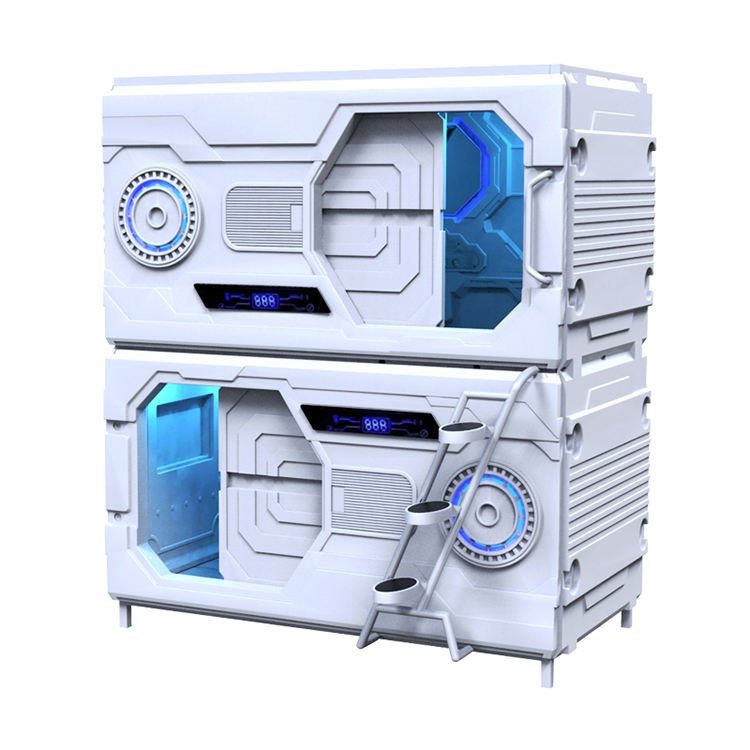
Capsule beds, also known as sleeping pods, have transformed the concept of budget accommodation. First popularized in Japan, these compact sleeping units are designed to provide privacy without sacrificing the communal benefits of shared living. Each pod functions as a self-contained mini-room within a larger space.
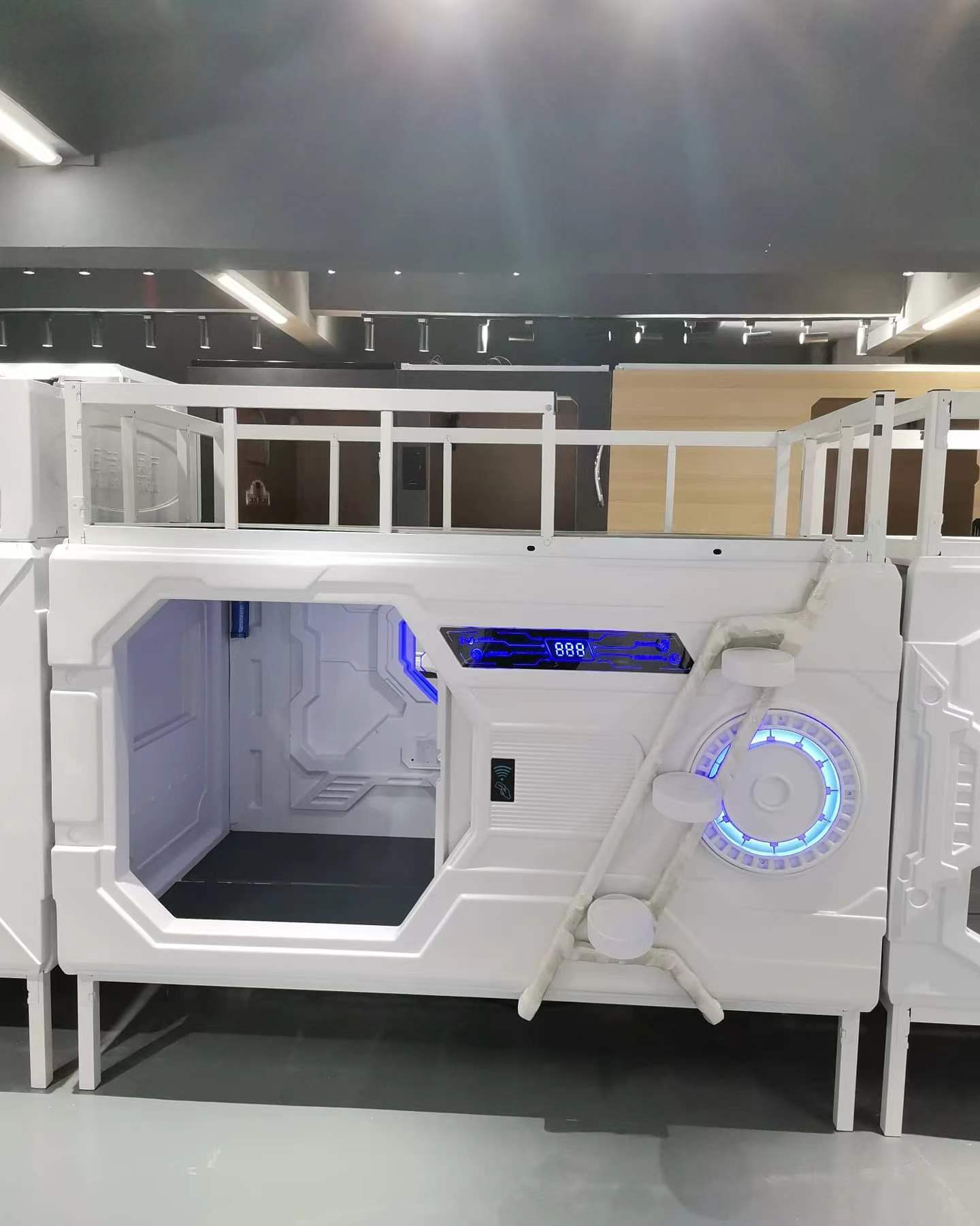
Unlike traditional bunks, capsule beds create a semi-private enclosure. With built-in walls, sliding doors, and often sound-reducing features, guests can retreat into their personal capsule whenever they need solitude. This balance between community and individuality has made capsule beds increasingly popular in hostels, airports, and co-living hubs worldwide.
Design Features Enhancing Privacy
The real value of capsule beds lies in their thoughtful design. Several key features ensure that guests feel safe, comfortable, and independent, even in a shared environment:
Sliding or Lockable Doors
Instead of open bunks, capsules often include sliding doors, shutters, or curtains that create a defined boundary between personal and shared areas. Some models even allow for secure locking systems, adding peace of mind.Sound Insulation
Noise is one of the biggest challenges in dormitory-style accommodations. Many capsule pods are designed with sound-dampening materials that reduce external noise, allowing guests to enjoy restful sleep even in a busy room.Personal Lighting & Ventilation
Adjustable LED lights give travelers control over their environment, whether they want to read, work, or sleep. Independent ventilation systems also ensure fresh air circulation, creating a more comfortable experience.Storage & Power Access
Capsules often come equipped with personal lockers, USB charging ports, and small shelves, ensuring that guests can keep their belongings safe and their devices powered without leaving their private space.Aesthetic Comfort
Beyond functionality, capsule beds often embrace minimalist, futuristic designs that feel both modern and inviting. Soft lighting, clean lines, and ergonomic layouts make the capsule feel like a personal retreat.
Psychological Benefits of Privacy
Privacy is not only a physical comfort but also a psychological necessity. When travelers feel that they have a protected space, their stress levels decrease. This sense of autonomy fosters better sleep quality, improves mood, and allows for a deeper sense of relaxation.
For introverted guests, capsule beds provide a much-needed break from social interactions. For digital nomads, they create a focused environment to work from a laptop without distractions. Even extroverts benefit—because having a private retreat ensures that time spent socializing in common areas feels balanced and voluntary, rather than overwhelming.
Ultimately, the psychological comfort of capsule pods contributes directly to guest satisfaction. Travelers leave with positive impressions, leading to repeat bookings and word-of-mouth recommendations.
Business Perspective: Why Privacy Pays Off
From the perspective of hostel and co-living operators, capsule beds are more than a design upgrade—they are a smart investment. Here’s why:
Higher Guest Satisfaction
Privacy directly impacts reviews. When guests sleep better and feel secure, they are more likely to leave positive ratings on booking platforms.Increased Occupancy Rates
Capsule beds appeal to a wider range of travelers, including those who previously avoided hostels due to privacy concerns. This expands the potential customer base.Premium Pricing Opportunities
While still affordable, capsule pods often command slightly higher rates than traditional bunk beds. Guests are willing to pay extra for improved privacy and comfort.Efficient Use of Space
Capsule designs maximize floor area while maintaining density. Operators can fit more guests into the same square footage without creating the impression of overcrowding.Brand Differentiation
Capsule-style accommodations stand out in a competitive market. Unique design and modern features help businesses build a distinct brand identity.

Future of Shared Living with Capsule Pods
The demand for capsule beds reflects broader shifts in travel and lifestyle. As more people embrace digital nomadism, long-term hostel stays, and co-living arrangements, the need for privacy within shared communities will continue to grow. Capsule pods strike the perfect balance—blending affordability with individuality.
In addition, sustainability trends align well with capsule bed designs. Their compact nature encourages efficient use of resources such as electricity, space, and building materials. As more accommodation providers move toward eco-friendly models, capsule pods will likely play an even bigger role.
It is not hard to imagine a future where capsule-style living expands beyond hostels and airports, becoming a mainstream option for urban housing, student dormitories, and even corporate employee residences.
Conclusion
Privacy has always been one of the most valuable yet overlooked aspects of shared living. Capsule beds solve this challenge by combining modern design, practical features, and psychological comfort—all within a compact and affordable format.
For guests, this means restful sleep, personal space, and a better overall travel experience. For accommodation providers, it means higher satisfaction scores, stronger brand differentiation, and sustainable growth.
In a world where shared spaces are becoming more common, capsule beds represent not just a trend but a redefinition of what it means to live—and rest—together.