
Capsule Pods: Innovation and Development of Modern Accommodation
The hospitality industry continues to evolve rapidly as urbanization and modern lifestyles demand more efficient space solutions. One of the most fascinating innovations is capsule pods. Originally popularized in Japan, capsule pods are now gaining traction worldwide as a smart, space-saving, and futuristic way to stay.
This article explores the development of capsule pods, the latest design innovations, business opportunities, and future trends in the global hospitality industry.

What Are Capsule Pods?
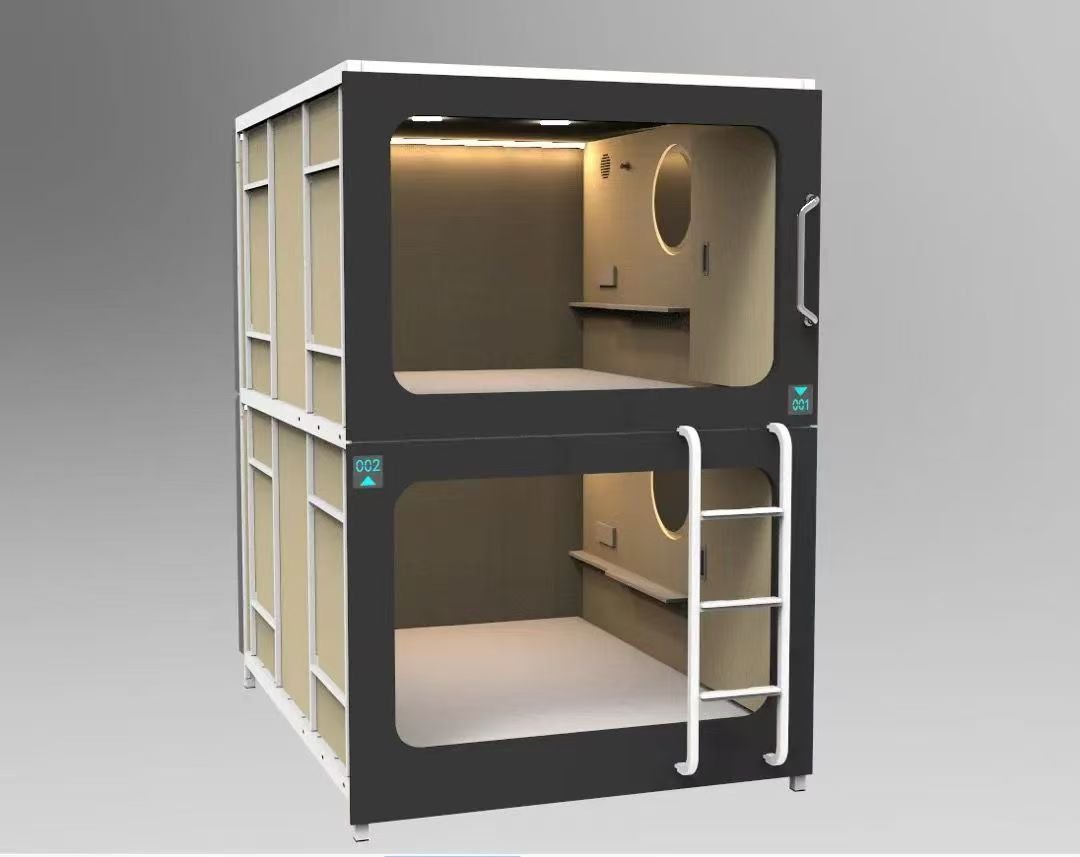
Capsule pods are modular sleeping units designed to provide comfort and privacy in compact spaces. Unlike traditional bunk beds, capsule pods offer an enclosed private zone equipped with:
Adjustable LED lighting
Independent ventilation system
USB ports and electrical sockets
Smart control panels
Soundproof materials
This design makes capsule pods both space-efficient and guest-friendly, giving travelers a balance between affordability and comfort.

The Growth of Capsule Pods Worldwide
First introduced in Osaka, Japan, in 1979, capsule pods were created as a low-cost accommodation option for salarymen. Today, they have become a global hospitality trend:
Asia: Widely used in hostels, airports, and even hospitals.
Europe: Combined with artistic interior designs to attract young travelers.
Indonesia: Capsule pods thrive in Bali, Jakarta, and Yogyakarta, appealing to backpackers and digital nomads.
Innovations in Capsule Pods
1. Smart Capsule Pods
Modern capsule pods feature IoT integration, allowing guests to control lighting, temperature, and entertainment with a smart panel.
2. Eco-Friendly Materials
Many new capsule pods are built with recycled and sustainable materials, aligning with the rising demand for green hospitality.
3. Enhanced Security
Digital locks, emergency alarms, and advanced access systems increase safety and comfort.
4. Aesthetic & Instagrammable Designs
Futuristic lighting and sleek finishes make capsule pods not only practical but also highly shareable on social media.
Benefits of Capsule Pods for Hospitality Businesses
Space Optimization: More guests can be accommodated within the same area.
Lower Operational Costs: Capsules require less investment than traditional hotel rooms.
Youth Appeal: Millennials and Gen Z prefer unique, modern experiences.
Business Flexibility: Capsule pods can be used in hostels, coworking spaces, or airports.

Future Development Trends in Capsule Pods
Hybrid Spaces: Capsule pods integrated with coworking spaces, cafés, and lounges.
Premium Capsule Pods: Larger pods with luxury bedding, streaming screens, and AI assistants.
Capsule Pods in Transport: Pods installed at airports, train stations, or even cruise ships.
Automation & Robotics: Self check-in, cleaning robots, and automated guest services.
Challenges in Capsule Pod Innovation
While promising, capsule pods also face several challenges:
Different regulations across countries
High initial investment for quality capsule manufacturing
Market education to convince guests of privacy and safety
Maintenance standards to ensure hygiene and comfort
Business Opportunities with Capsule Pods
The flexibility of capsule pods allows them to be applied in various sectors:
Airports – Short-term rest areas for transit passengers
Hospitals – Affordable accommodation for patient families or medical staff
Offices – Nap pods for employees in large corporations
Events & Festivals – On-site sleeping solutions for multi-day gatherings
With innovation and adaptability, capsule pods are set to redefine the future of urban hospitality.
Conclusion
Capsule pods represent a revolutionary step in hospitality, offering efficient use of space, comfort, and smart technology. From eco-friendly designs to premium innovations, capsule pods are more than just a trend — they are a sustainable business model for the future.
For investors and hotel operators, embracing the development of capsule pods means seizing opportunities in a growing global market that values affordability, innovation, and modern design.