Capsule Hotel vs Traditional Hostel: Which Is More Profitable?
In the evolving hospitality industry, property owners and investors are constantly looking for accommodation concepts that maximize space, reduce operational costs, and deliver strong returns. Two popular budget-accommodation models often compared are capsule hotels and traditional hostels. While both target price‑sensitive travelers, their profitability structures are very different.
In this article, StardoveHK.com compares capsule hotels and traditional hostels from a business perspective to help you decide which model offers better long‑term profitability.
Understanding the Capsule Concept
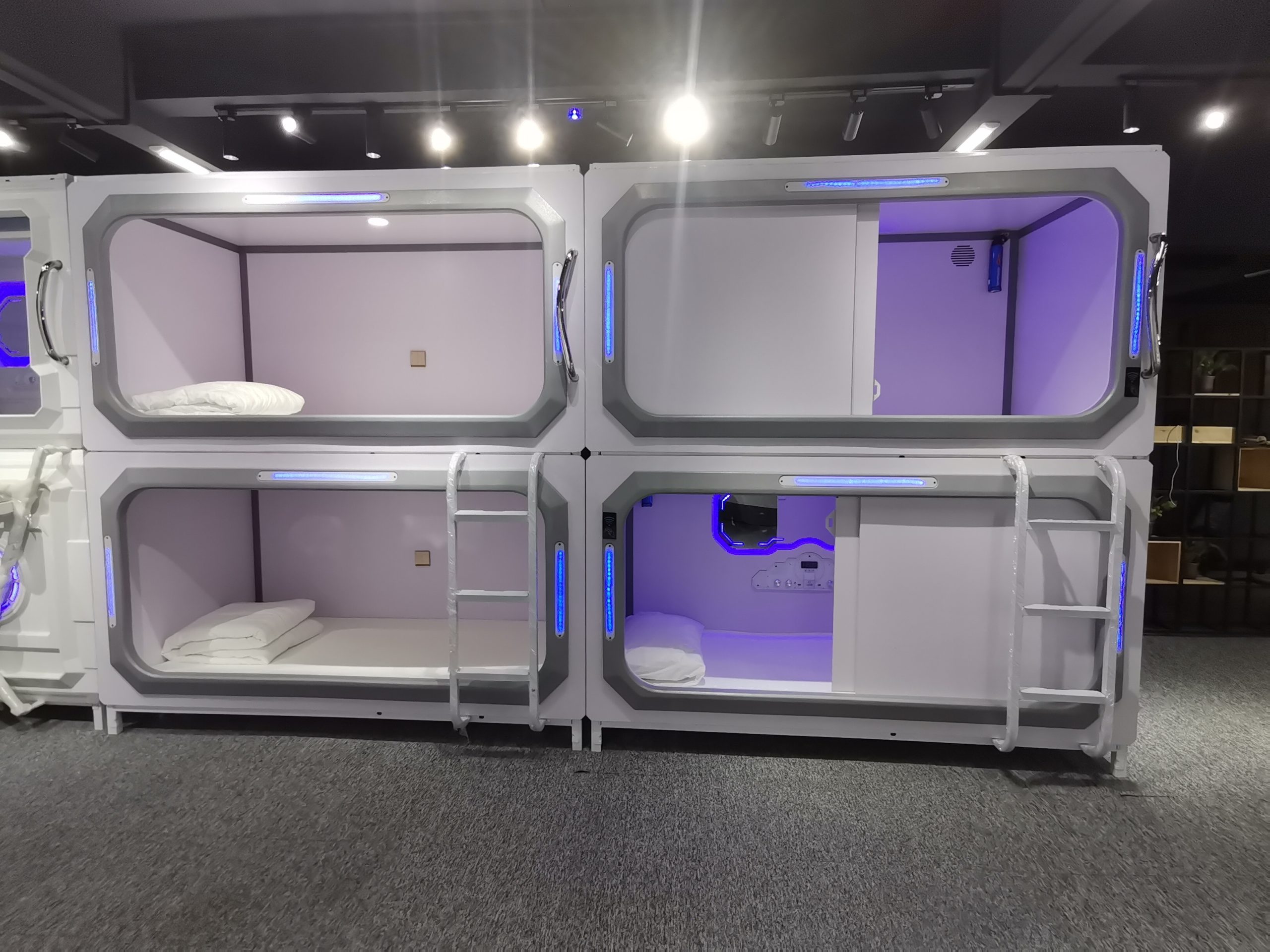
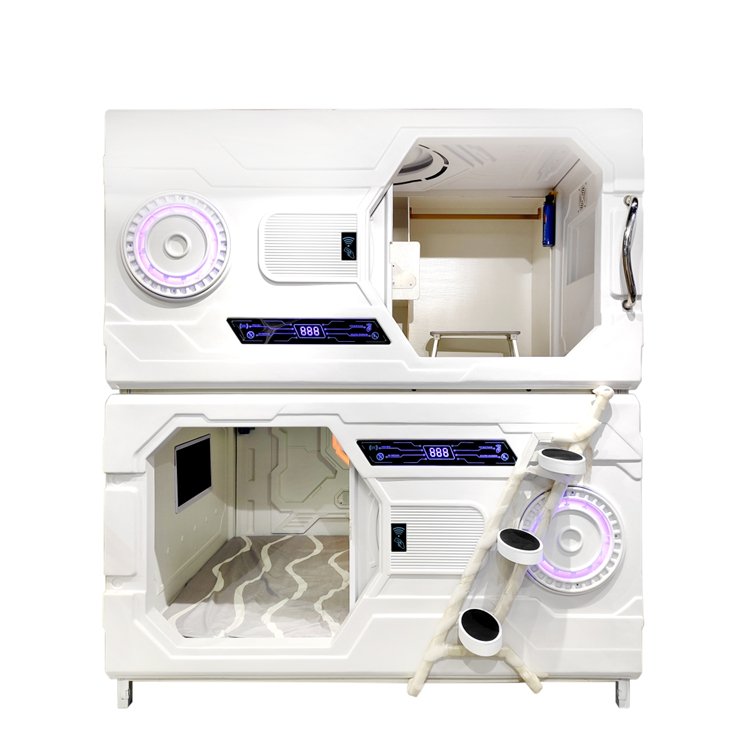
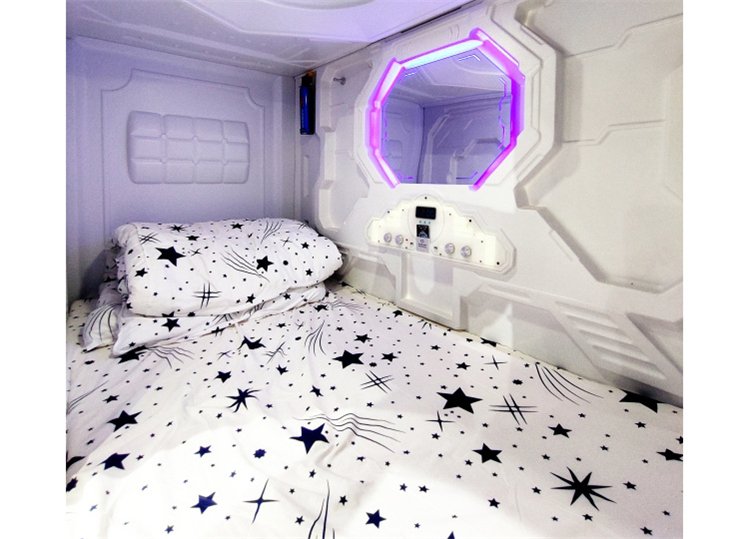
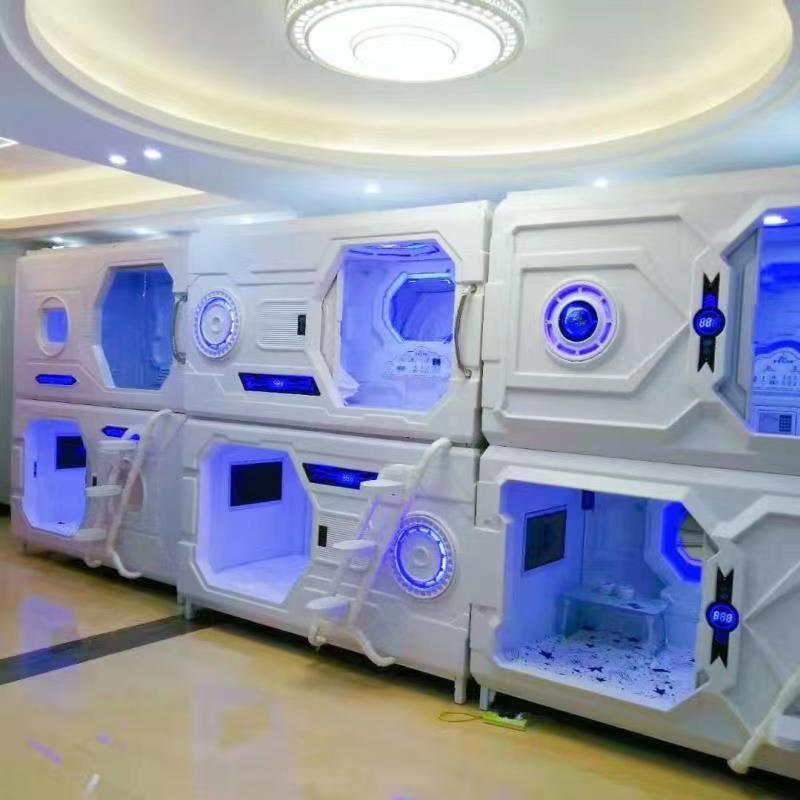
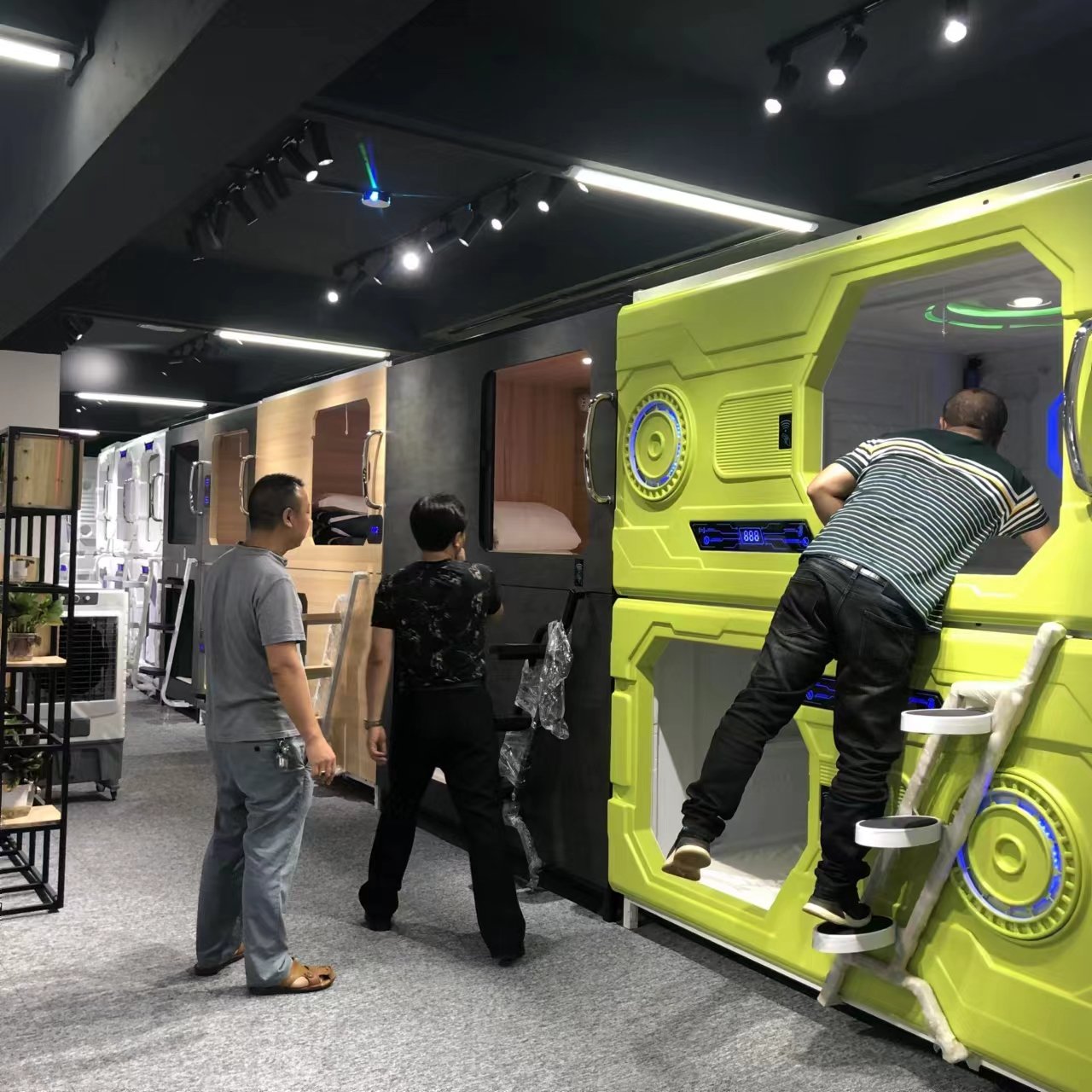
A capsule hotel is a modern accommodation concept where guests sleep in compact, individual pods. Each capsule is designed to provide privacy, comfort, and essential amenities within a small footprint. Capsule hotels are especially popular in urban areas where space is limited and property costs are high.
Key features of capsule hotels include:
- High guest density per square meter
- Modular capsule bed systems
- Strong emphasis on space efficiency
- Standardized layouts for scalability
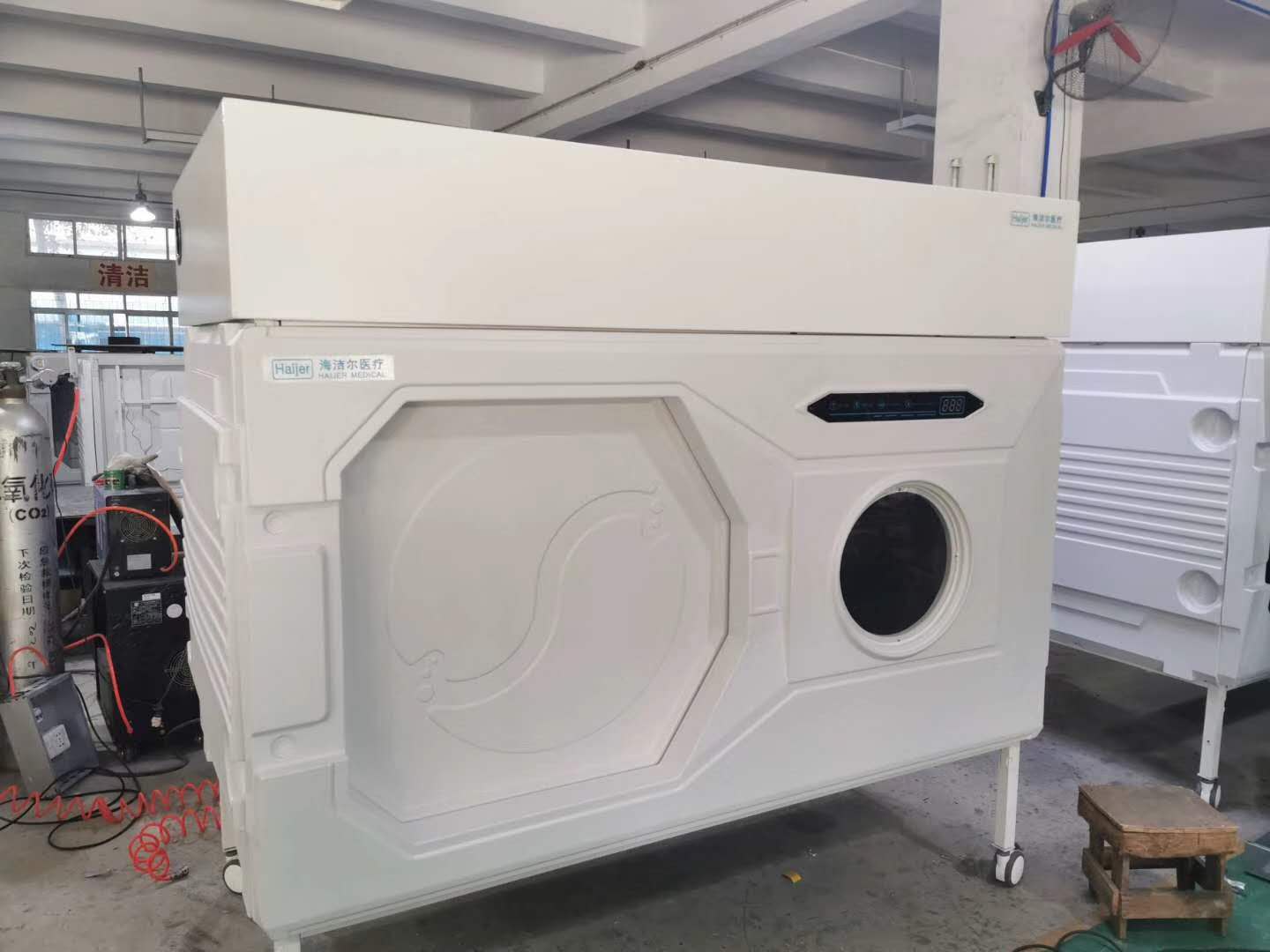
For manufacturers like StardoveHK.com, the capsule concept focuses on optimizing design, safety, and durability while helping operators increase revenue per area.
What Defines a Traditional Hostel?
Traditional hostels usually consist of shared dormitory rooms with bunk beds and communal facilities. This model has been widely used for decades and is familiar to backpackers and budget travelers.
Common characteristics of hostels:
- Larger rooms with multiple beds
- Lower construction costs per bed
- More open and social environment
- Less privacy compared to capsule hotels
While hostels are easier to set up initially, they often face challenges when competing in modern urban markets.
Space Utilization: Capsule vs Hostel
Space efficiency is one of the most critical factors in profitability.
A capsule hotel can accommodate 30–50% more guests in the same floor area compared to a traditional hostel. Capsules are vertically stacked and designed to eliminate wasted space, allowing operators to monetize every square meter.
In contrast, hostels require:
- Wider circulation areas
- Larger shared rooms
- More space per bed
For cities with high rental or property prices, the capsule model clearly outperforms hostels in space utilization.
Initial Investment and Build Costs
At first glance, traditional hostels appear cheaper to build. Bunk beds and simple interiors keep upfront costs low. However, this advantage can be misleading.
Capsule hotels require:
- Capsule bed manufacturing
- Electrical and ventilation integration
- Custom layout planning
While the initial investment per unit may be higher, capsule hotels benefit from standardized production and faster installation—especially when working with an experienced manufacturer like StardoveHK.com.
Over time, the higher guest capacity often offsets the initial cost difference.
Operational Costs and Efficiency
Operational efficiency plays a major role in profitability.
Capsule Hotels:
- Lower housekeeping time per guest
- Reduced damage due to controlled personal space
- Easier maintenance with modular capsule systems
- Energy efficiency through smart lighting and ventilation
Traditional Hostels:
- Higher cleaning costs for large dorm rooms
- Faster wear and tear on shared furniture
- Greater noise complaints and guest disputes
Capsule hotels are designed for predictable operations, making them easier to manage at scale.
Guest Experience and Pricing Power
Modern travelers increasingly value privacy, even in budget accommodation.
Capsule hotels offer:
- Individual sleeping spaces
- Personal lighting, power outlets, and ventilation
- A premium feel at an affordable price
This allows capsule operators to charge 10–30% higher nightly rates than traditional hostels while still remaining competitive.
Hostels, while social and affordable, often struggle to increase pricing without losing their core audience.

Occupancy Rate and Market Demand
Capsule hotels perform especially well in:
- Urban centers
- Transit hubs
- Business districts
- Tourist-heavy cities
Their unique design and modern appeal attract solo travelers, digital nomads, and short-stay guests.
Traditional hostels tend to rely heavily on seasonal backpacker demand, which can lead to fluctuating occupancy rates.
Higher and more stable occupancy directly translates to better profitability for capsule hotels.
Scalability and Brand Expansion
From a business growth perspective, capsule hotels are easier to scale.
Capsule systems are:
- Modular
- Repeatable
- Customizable for different markets
Manufacturers like StardoveHK.com provide OEM and customized capsule solutions, allowing hotel brands to expand consistently across multiple locations.
Hostels, on the other hand, often require unique layouts and local adjustments, making standardization difficult.
Long-Term ROI Comparison
When comparing long-term return on investment:
- Capsule hotels benefit from higher revenue density, stronger branding, and better pricing flexibility.
- Traditional hostels rely on volume and low prices, with limited room for optimization.
Although capsule hotels may require higher upfront planning, they typically deliver faster payback periods and higher profit margins in competitive markets.
Which Model Is More Profitable?
For property owners and investors focused on urban efficiency and long-term growth, the answer is clear: capsule hotels are generally more profitable than traditional hostels.
With better space utilization, higher pricing power, operational efficiency, and scalability, the capsule model aligns perfectly with modern hospitality demands.
As a professional capsule bed manufacturer, StardoveHK.com supports hotel developers worldwide with high-quality capsule solutions designed to maximize profitability.
Choosing between a capsule hotel and a traditional hostel is ultimately a business decision. While hostels remain suitable for certain markets, capsule hotels offer a future‑proof solution for high‑density, high‑return accommodation.
If you are planning a new hospitality project or upgrading an existing property, investing in a capsule hotel system could be the smarter and more profitable choice.
For customized capsule solutions and manufacturing expertise, StardoveHK.com is ready to support your project from concept to installation.