
From Concept to Reality: How a Capsule Pod Factory Designs for Human Psychology
In an era where space is becoming the most valuable resource in urban environments, the concept of capsule living has evolved from a niche idea into a global hospitality trend. Modern travelers seek privacy, comfort, and functionality—all within compact environments. Behind these efficient and futuristic sleeping pods lies a sophisticated understanding of human psychology and design engineering.
At StarsDove, a leading capsule pod factory specializing in space-efficient sleep solutions, every detail of a capsule bed is crafted not only with precision but also with a deep appreciation for how people feel inside small spaces.
The Rise of Capsule Living
The concept of capsule accommodation originated in Japan, where high-density cities demanded innovative living solutions. Over time, capsule pods evolved from minimalist sleeping compartments into high-tech, ergonomic micro-environments designed for both comfort and efficiency.
Today, capsule pods are no longer limited to capsule hotels—they are being installed in hostels, airports, staff dormitories, and even co-living spaces around the world. As this evolution unfolds, factories like StarsDove are leading the charge, turning abstract design concepts into functional, human-centered spaces that redefine rest and relaxation.

Designing Beyond Aesthetics: The Psychology of Comfort
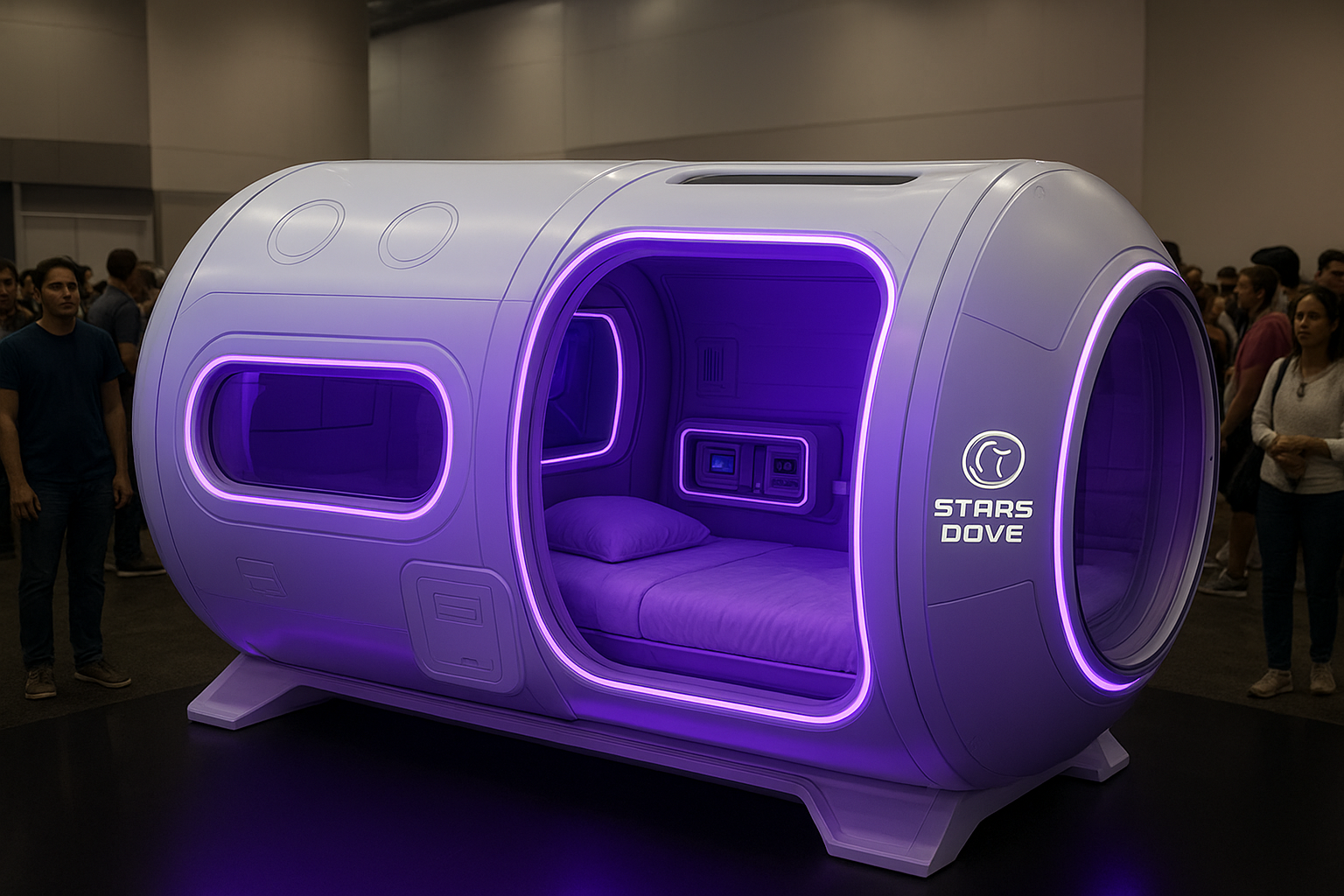
When most people think of capsule pods, they picture sleek designs, LED lighting, and smart ventilation systems. But what truly defines a great capsule pod is not just its appearance—it’s how it feels inside.
Human psychology plays a crucial role in how people perceive small spaces. Factors such as color temperature, lighting balance, ventilation, and acoustic control directly influence emotional comfort.
For example:
Soft white or blue LED lights help the brain associate calmness and rest, creating a sense of private sanctuary.
Matte textures and curved edges reduce visual stress and promote safety.
Optimized air circulation prevents feelings of suffocation in confined environments.
At StarsDove, every design prototype goes through user-centered testing to ensure guests experience both comfort and control—two psychological needs that are essential for relaxation.
Human-Centered Design in Capsule Manufacturing
Designing capsule pods requires more than technical skill; it requires empathy. Human-centered design (HCD) means understanding user behavior before deciding on form or function.
The team at StarsDove begins by studying how people interact with compact spaces: how they enter, lie down, store belongings, and even charge devices. This data-driven approach helps engineers refine every inch of space to serve a psychological purpose.
For instance:
Adjustable lighting intensity supports circadian rhythm balance.
Integrated charging ports and foldable desks satisfy productivity needs for digital nomads.
Sound-dampening materials reduce cognitive fatigue caused by external noise.
By combining industrial efficiency with psychological insight, StarsDove’s factory creates capsule pods that feel naturally intuitive to use.
The Power of Sensory Design: Touch, Light, and Sound
A truly successful capsule pod design engages all senses harmoniously. StarsDove integrates sensory design principles to transform small enclosures into tranquil, personal sanctuaries.
Touch: Smooth, warm materials like laminated panels and soft mattress linings trigger comfort and safety responses in the brain.
Light: Layered LED systems simulate daylight cycles, promoting better sleep quality for travelers crossing time zones.
Sound: Insulated panels and minimal mechanical noise reduce stress and improve perceived privacy.
This blend of sensory and spatial intelligence turns what could feel like a small box into a peaceful, private retreat.
From Factory Floor to Real-World Impact
Every capsule pod produced by StarsDove goes through a journey—concept sketching, 3D modeling, structural engineering, and psychological testing—before it’s ready for installation.
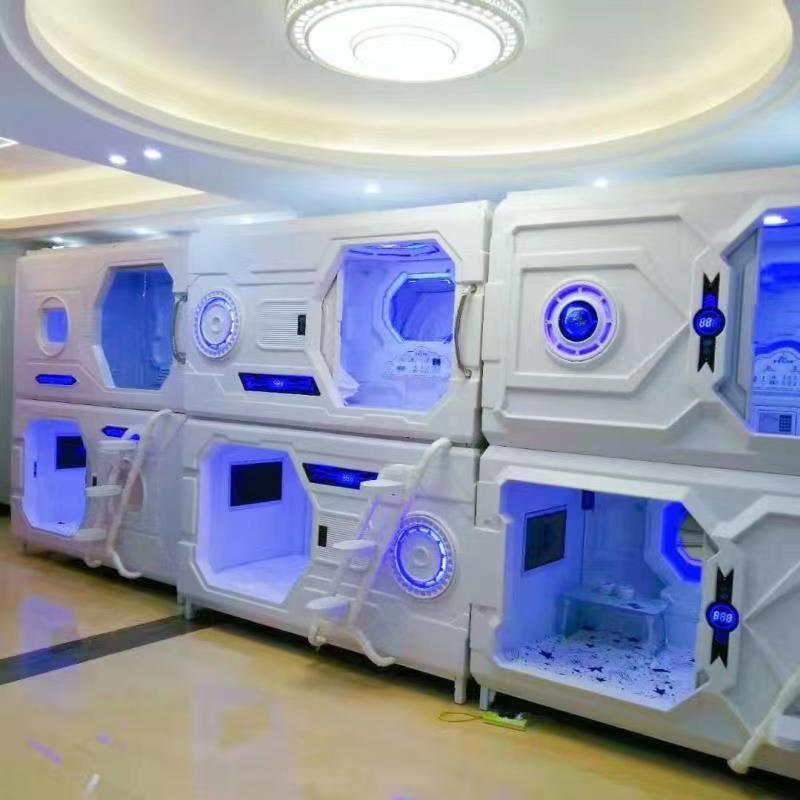
But the impact goes beyond manufacturing. Capsule pods are transforming how hotels and hostels operate:
Operators can maximize room capacity without compromising guest satisfaction.
Travelers enjoy affordable privacy and a futuristic lodging experience.
Developers reduce environmental footprints through sustainable, space-efficient design.
By aligning design with human needs, StarsDove helps clients around the world create spaces that are not only modern but also emotionally intelligent.
Why Psychology Matters in Capsule Pod Design
It’s easy to underestimate how deeply psychology influences physical comfort. Research shows that spatial perception, lighting, and personal control over one’s environment all contribute to feelings of well-being.
Capsule pod manufacturers who understand this are setting new standards in hospitality. StarsDove’s approach—balancing technical precision with human empathy—ensures that every pod supports both functionality and feeling.
In a world that’s moving faster and living smaller, people crave moments of calm, safety, and control. And that’s exactly what a well-designed capsule pod provides.
The Future of Capsule Design
The next phase of capsule innovation will blend AI-assisted comfort systems, modular configurations, and eco-friendly materials. StarsDove is already exploring these possibilities, pushing capsule manufacturing toward smarter, greener, and more personalized experiences.
As global travelers seek rest in compact spaces, the role of human psychology in design will only grow more critical. The capsule pod of the future won’t just be a bed—it will be an ecosystem built around the human mind.
Intelligent Design Meets Human Needs
At its core, great design is not about technology or aesthetics alone—it’s about understanding people. The transformation from concept to reality happens when design begins to think like a human.
That’s what StarsDove stands for: a capsule pod factory where innovation meets empathy, and where every pod is built to make small spaces feel truly alive.